

Morning Energy Stack
Simple series of one-minute movements to activate your day


A couple of months back, I started seeing a handful of posts about a series of one-minute movements strung together intended to increase energy flow and mobility. I had already been in the habit of starting my day by moving my lymphatic system, and this felt like a natural extension of my existing routine with many additional benefits. While there are individual variations, the basic movements involve swinging, twisting, bending, and squatting.
I’ve come to look forward to this early-morning energizer, and it has definitely earned a spot in my daily habits. Here’s what I love about this do-anywhere, no-equipment-needed, practice:
• Yields amazing energy. After completing the movement blocks, with a profusion of nitric oxide that dilates blood vessels and brings oxygen to cells, I literally feel a rush of energy that carries me through the morning and early afternoon.
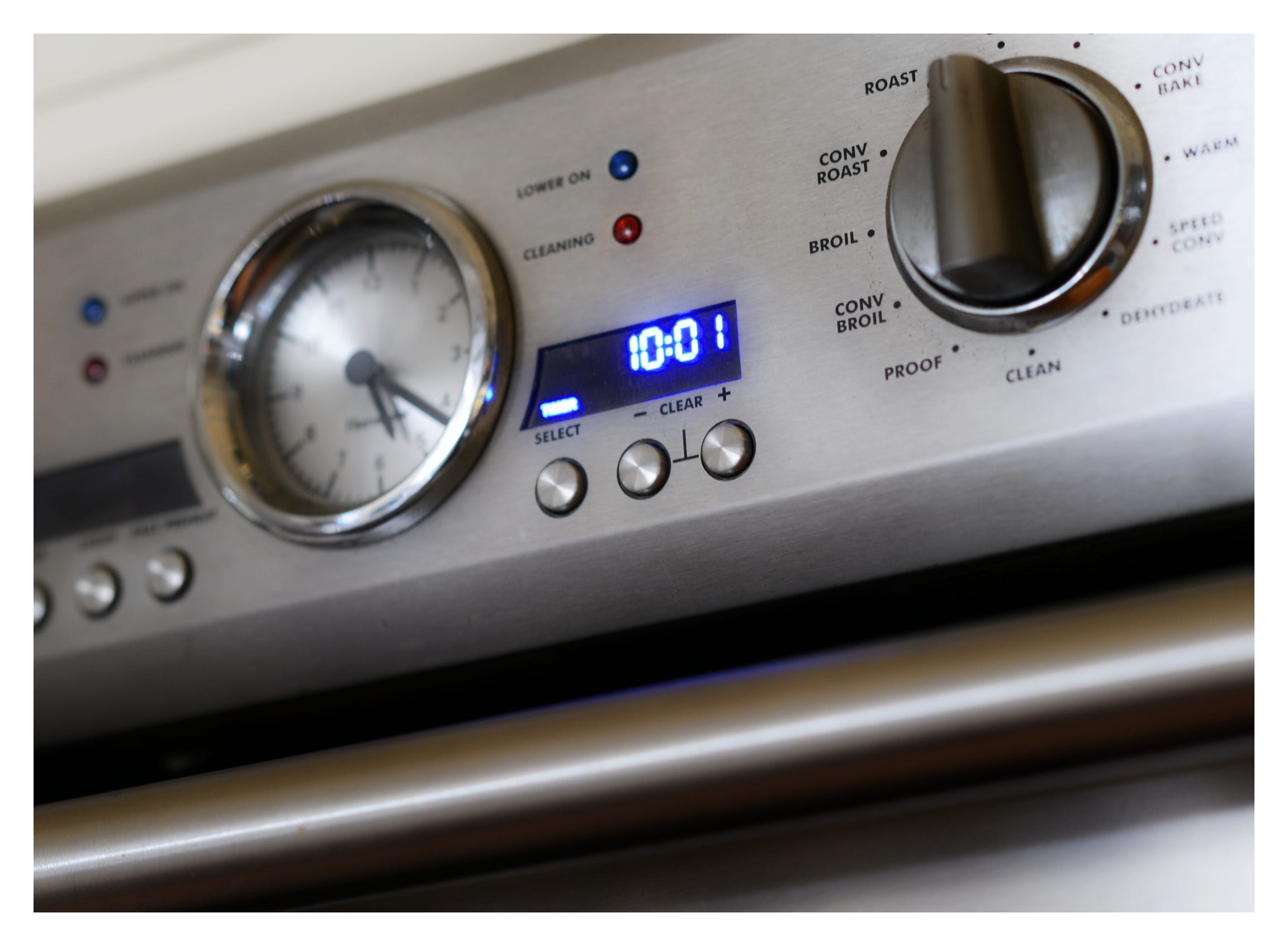
• Changes minute-by-minute. I can do anything for a minute! No matter how I’m feeling, I set the micro-goal of getting through the first minute, and before I know it, I’m 5 minutes in, then 8, then I’m done! Although there are countdown apps, I seriously don’t want more apps, so I set my oven timer. (Yup, I do this in my kitchen.) Watching the minutes tick down is a powerful psychological tool.
• Can be easily customized. I level up the movements depending on how I’m feeling and what I think I need to work on, adding in what I want and extending what I need. For instance, I started with 1 minute of jumping, and now I’m doing 2. 1 minute of single-leg balancing turned into 90 seconds. The beauty of this approach is that you do you!
• Stacks several disciplines. I’ve customized my block to include what’s important to me: tapping to initiate lymphatic flow; jumping to strengthen my bones; movement for mobility; squatting to build strength; twisting to release fascia; and one-leg balancing for equilibrium. This is commonly known as habit-stacking and I love it because it is hyper-efficient.
• Sets circadian rhythm. Movement helps set the body’s natural and critical circadian rhythm, which affects all functions, from the microbiome to hormones.
• Anchors the morning. One of my discipline tools is end-of-day anchoring—first-morning and last-evening habits. No matter what is going on during the day, having these bookends is invaluable. The foundation of my morning anchor is praying the rosary before starting the flow; for you, it may be affirmations, journaling, or intentions. Take this time to wake up and ease into the day. It’s only 15-20 minutes.
• Provides a satisfying sense of accomplishment. One task down. Small things are the big things, and, much like the fundamental practice of making your bed, the sense of completion sets the tone for the day. This is so basic, so simple, it’s easy to stay consistent—which is key to lasting habits.

With wisdom gained from nearly three decades of consistent exercise under my belt and confirmed by innumerable studies, I know movement is one of the non-negotiable tenets of a long and productive healthspan. The beauty of this practice is that it actually builds mobility and supports better cardio and strength training by promoting synovial fluid lubrication in the joints, increasing range of motion, and improving balance.
Caveats and notes:
• This does not replace exercise…think of it as an appetizer
• Try to initiate the routine within 15-30 minutes of waking up for optimal circadian function
• These may seem loosey-goosey, but they are controlled movements; be deliberate
• Do at your own pace…start with whatever flowy, swinging movement you like and can do…your body will adapt, and you can increase the intensity and number of blocks
• I do this barefoot…but I also exercise barefoot
Below are the movement blocks I choose to stack. In total, I currently spend 12-13 minutes, but you can start with 10 minutes.
Block 1: Tapping
This light tapping jump-starts the lymphatic and glymphatic (of the brain) systems and helps flush out cellular repair debris from the night. Start with the chest, which is the largest concentration of lymphatic vessels, then tap all around your face, behind the ears, on the collarbone, under the armpits, back to the chest, sides of the groin, and behind the knees.
Block 2: Jumping
This is essential for strong bones and hormone health. Start with one minute and vary the movement—pogo stick, side to side, back to front, jumping jacks…Just. Keep. Jumping.
Level Up: Introduce one-legged jumps and add more time. I’m up to two minutes and will increase in 30-second increments. Ideally, I’d like to work up to 5 minutes of jumping.
Block 3: Deep Arm Swings
Swinging both arms in unison: bending down, reaching behind your ankles, and sweeping over your head. I lift onto my toes at the top of the swing, both for added balance challenge and to work my calves (the second heart).
Level Up: Add in a deep knee bend at the bottom and/or short jump at the top of the swing.
Block 4: Lazy Arms
With your arms at your side, twist at the waist from side to side, letting your arms move freely like noodles.
Level Up: Increase the twist rotation and look behind you.
Block 5: Golf Swings
Just as the name suggests, imitate a golf swing, twisting and lifting your heel as you swing your arms up side to side.
Level Up: Tap under your armpit for added lymphatic stimulation, look behind you for balance.
Block 6: Alternate single-arm swings
Simply alternate lifting your arms fully in line with your head and opposite side.
Level Up: Lift up on your toes at the top of each swing and push back with the down arm.
Block 7: Swimmers
Also referred to as windmills, I sometimes substitute these for arm swings. I start with a freestyle stroke for the first 30 seconds and transition to backstroke to finish the block.
Block 8: Alternating Side Toe Touch
With your legs in a horse stance, alternate touching your toes.
You can vary this greatly by adding a slight lunge
Level up: Lift the opposite arm up to the ceiling for a deep rotation
Block 9: High-step Marching
Open your arms wide and close them to tap your knee as you pull it up. This simultaneously opens the chest and works the core.
Level up: Start with your arms overhead, then pull them down to your hips as you bring your knee up, this si sometimes referred to as a wood-chop.
Block 10: Twist Marching
Starting with your hands behind your head, twist your elbow down to the opposite knee as you march. Great for the core and oblique muscles. You can also do the twisting without marching.
Block 11: Marching Toe-taps
The most ambitious of the blocks, but well worth it. As you march, keeping your leg straight, swing it up and bring the opposite arm down to meet your toes.
Blocks 12 & 13: Single-leg Balance
Start with 30 seconds and work your way to 1 minute or more. There is no one right to stand on one leg; find what works for you. I do leg circles while I balance, but just standing still is perfectly fine. After doing leg circles, I hug my knee to my chest for a good back stretch, or I pull my foot back to my rear to stretch the quads. The important aspect is that you are balancing on one leg.
Level up: Bend down as if picking something up off the floor as you lift your leg behind you. And/or while you’re balancing, try closing your eyes for at least 15 to 30 seconds.

No excuses
There have been mornings when I feel a little lazy, but once I started and the first minute was down, the next was a wee bit easier, and so on. Before I knew it, I was done!
I’m going to venture to say nearly anyone can do this. If you’re in great shape, this is a beneficial adjunct to your routines and will serve to get the morning rolling. Not in such great shape? Start slow. Go at your own pace and modify the movements to suit your ability. Before long, this will be an invaluable and enjoyable tool in your longevity toolbox to live well, age great.